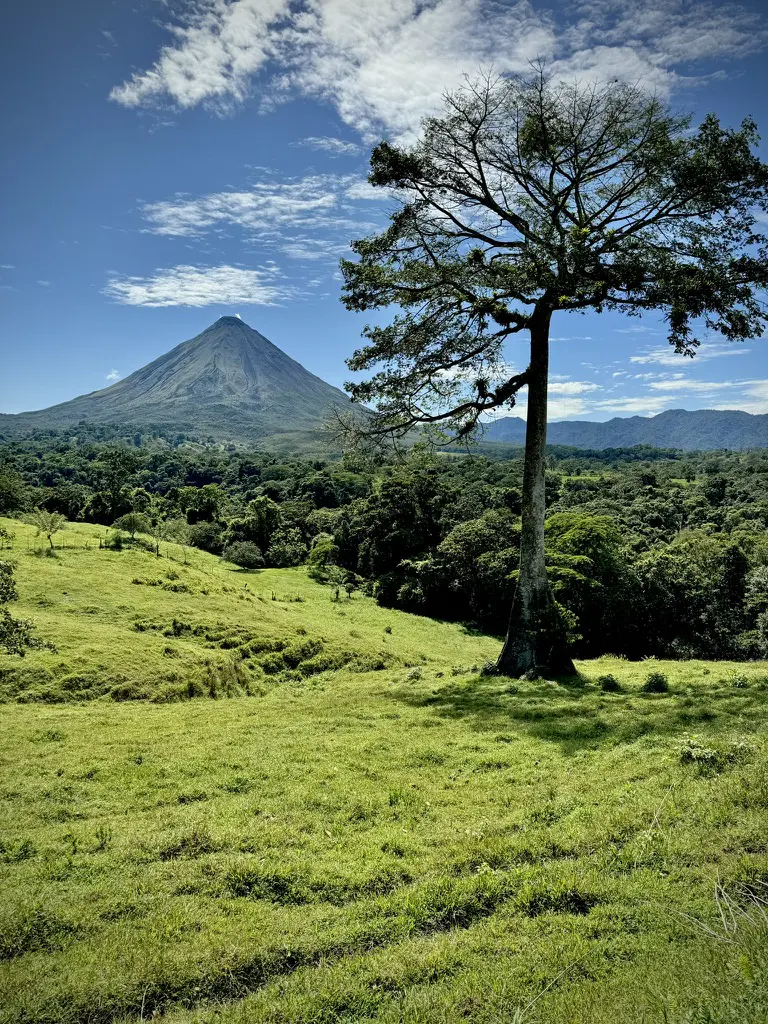
Northern Adventure Region
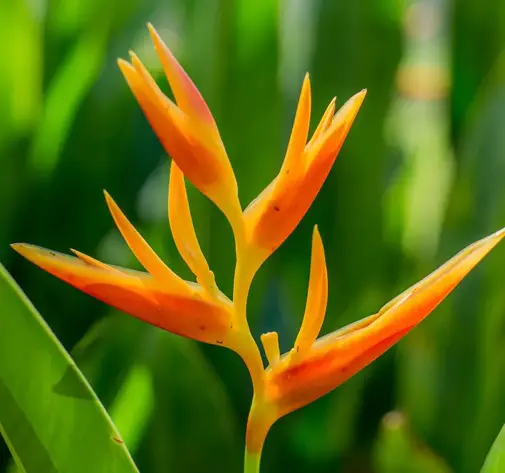
Arenal Volcano & La Fortuna is one of Costa Rica's most complete inland destinations. Instead of beach life, this region offers rainforest, volcano views, hot springs, waterfalls, hanging bridges, wildlife, adventure tours, country roads, local restaurants, and a small-town atmosphere surrounded by nature.
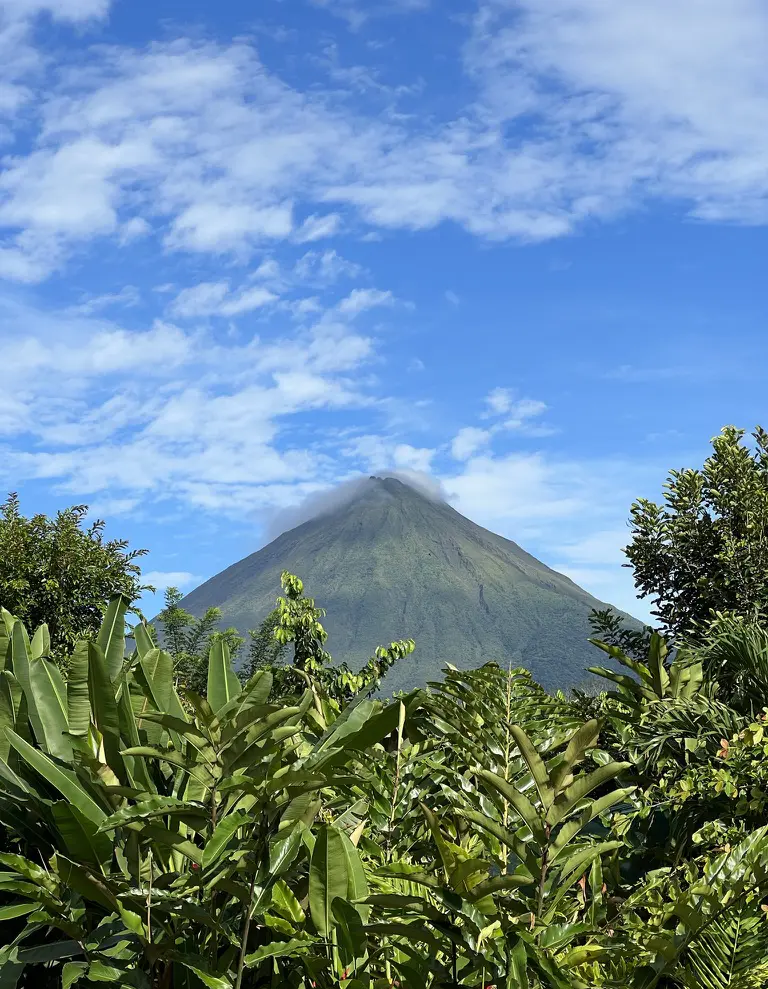
La Fortuna is the main town and service center of the region. Arenal is the volcano, the national park, the lake, and the broader natural area that gives the destination its identity. Together, they form one of Costa Rica's best bases for travelers who want adventure during the day and comfort at night.
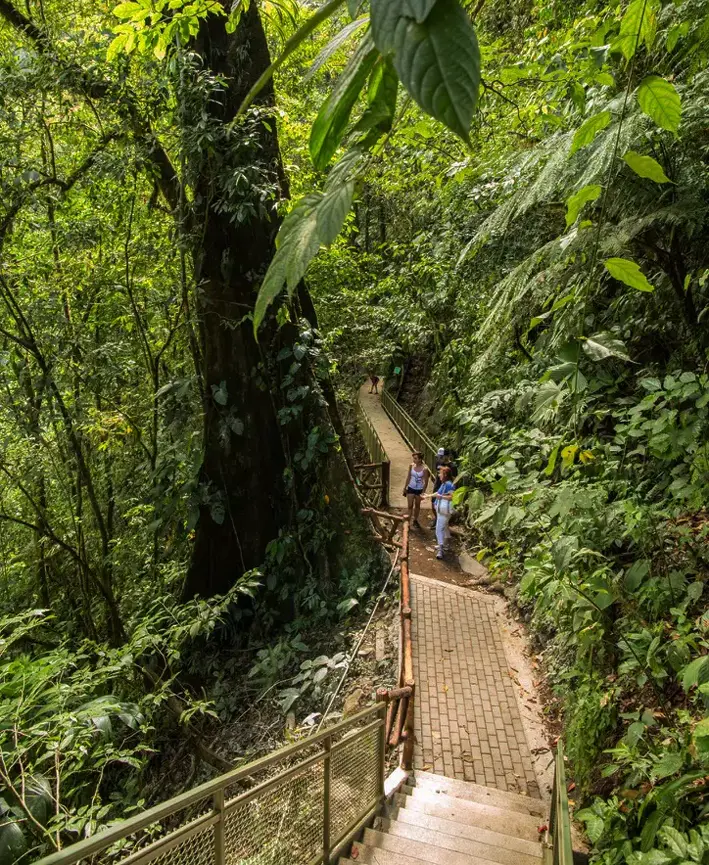
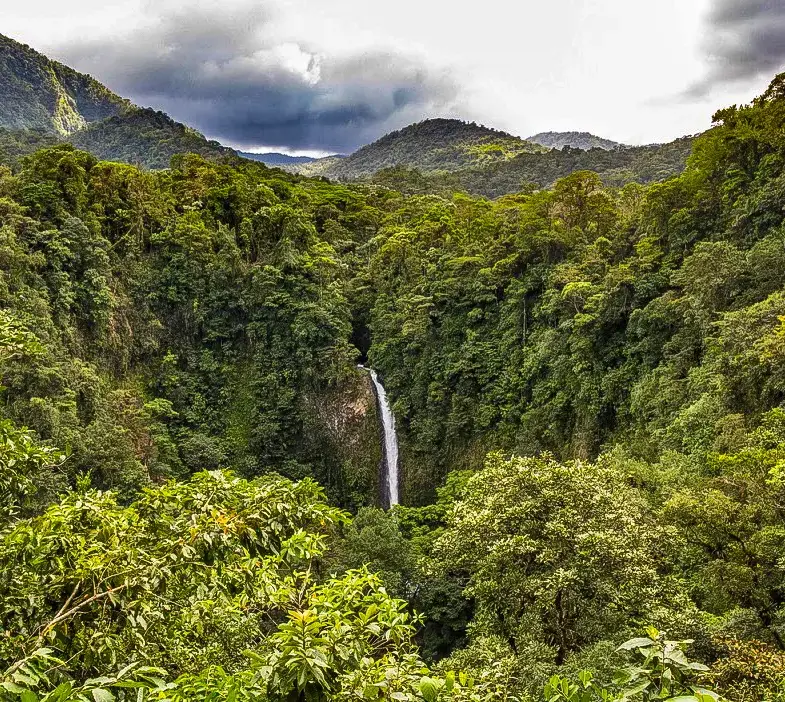
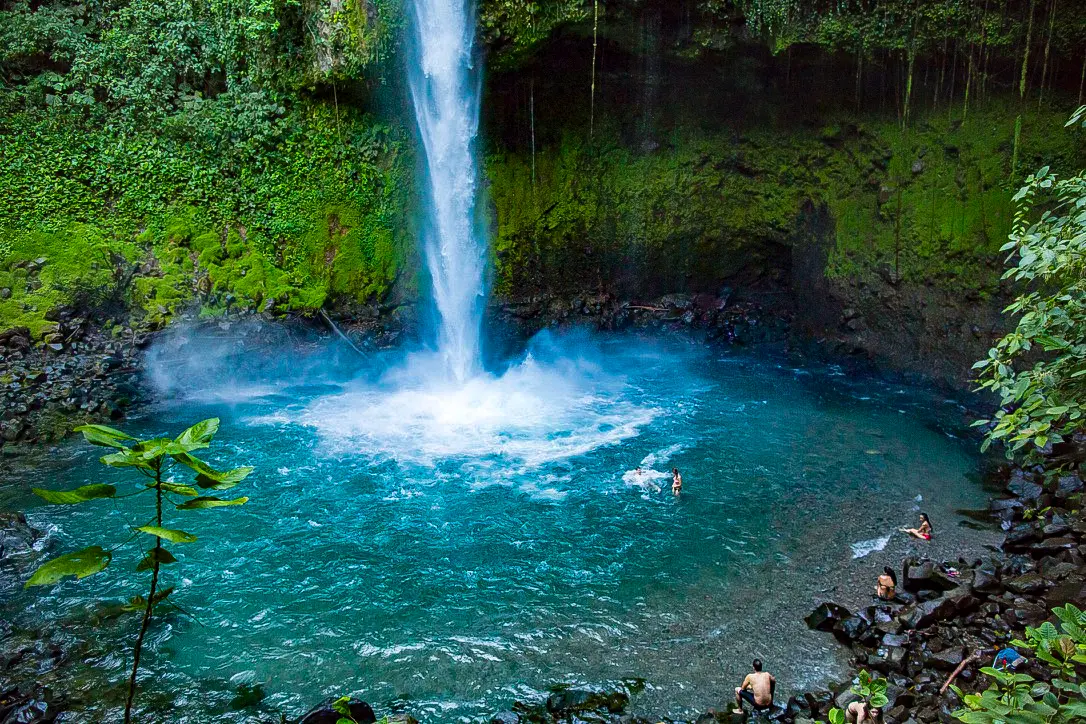
This is a place where visitors can hike near old lava fields, relax in thermal mineral waters, walk through rainforest trails, visit La Fortuna Waterfall, explore hanging bridges, go rafting, take a chocolate or coffee tour, enjoy a night walk, or simply sit with a view of the volcano when the clouds open.
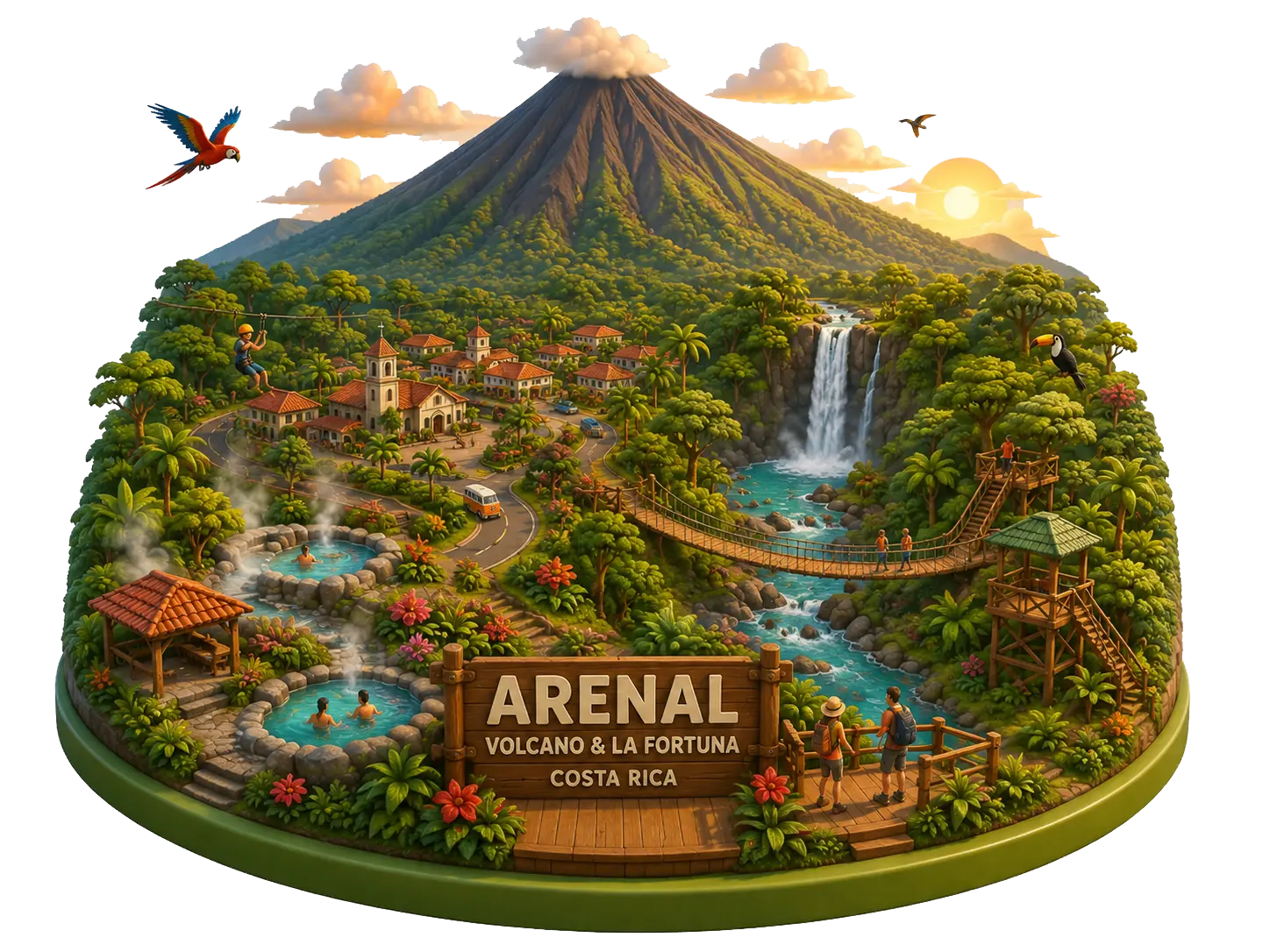
Arenal is not a coastal destination, and that is part of its appeal. It offers a different version of Costa Rica: greener, mistier, more dramatic, and more connected to rainforest and mountain landscapes. The region works well for couples, families, nature lovers, adventure travelers, photographers, wellness travelers, and people considering a quieter inland lifestyle.
For visitors who want Costa Rica beyond the beach, La Fortuna is one of the strongest choices in the country.

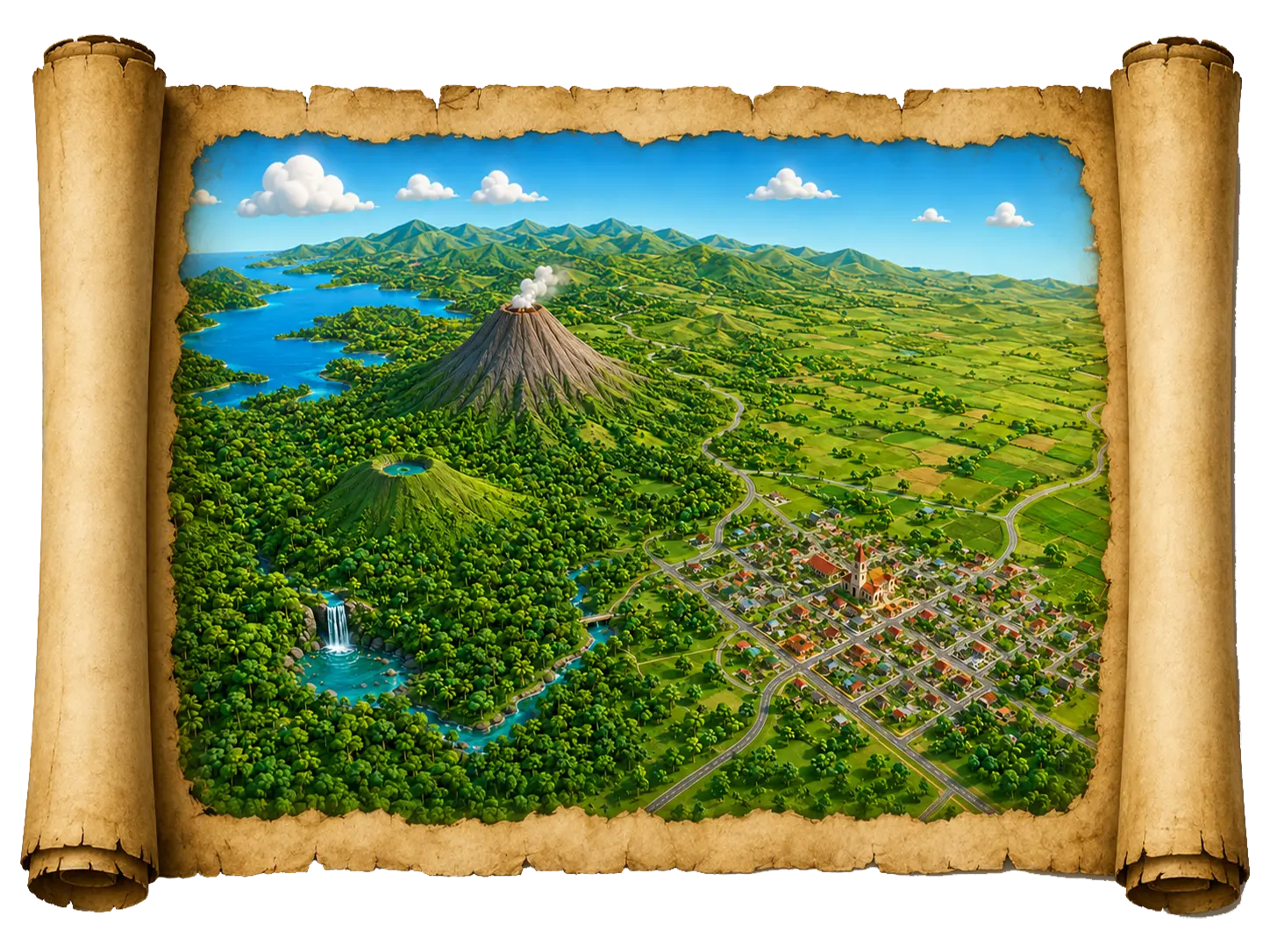
Click any pin to discover hotels, restaurants, tours, and services around the volcano. Use the layers button to filter by category.
Hot springs after the hike, waterfalls in the canyon, wildlife on the trails and the volcano above it all — this is what a day around Arenal looks like.


Not exactly. La Fortuna is the town: it is where many hotels, restaurants, shops, tour offices, cafés, supermarkets, and local services are located. Arenal usually refers to the volcano, the national park, Lake Arenal, and the broader tourism region around the volcano.
Most travelers use the names together because the experience is connected. You stay in or near La Fortuna, and from there you explore Arenal Volcano, hot springs, rainforest trails, waterfalls, the lake, and surrounding attractions.
Yes. La Fortuna is one of Costa Rica's most worthwhile destinations, especially if you want nature, adventure, hot springs, and a strong sense of place. The town is practical and easy to use as a base, while the surrounding area feels wild, green, and scenic. You can spend one day hiking near the volcano, another day at hot springs, another visiting the waterfall, and another exploring hanging bridges, rafting, wildlife tours, or Lake Arenal.
It is also a good destination for travelers who want variety without having to move hotels every night.
Arenal & La Fortuna is different because it combines adventure and comfort in a very compact region. In many destinations, you have to choose between nature and services. La Fortuna gives you both. The town has restaurants, accommodations, tour operators, transportation, pharmacies, cafés, supermarkets, and local life. A short drive away, you find rainforest trails, hot springs, waterfalls, rivers, farms, wildlife areas, and volcano viewpoints.
The result is a destination that feels natural and organized at the same time.
La Fortuna is the main gateway town to Arenal Volcano. The volcano dominates the landscape from many parts of town, but the official park entrances, hiking areas, lava field viewpoints, hot springs, and lake access points are outside the town center. Most attractions are reached by car, shuttle, taxi, or organized tour.
This is important for planning: La Fortuna is walkable in the center, but the Arenal experience is spread around the region.
There is not one single best thing to do in La Fortuna. The best experience is usually a combination. A strong first visit could include: an Arenal Volcano hike — for lava fields, forest, viewpoints, and the story of the region; La Fortuna Waterfall — one of the most iconic natural stops near town; hot springs — the classic way to end a day of adventure; hanging bridges — ideal for rainforest views, photography, and wildlife; a wildlife or night tour — great for frogs, birds, insects, sloths, and rainforest sounds; and Lake Arenal — for scenery, kayaking, fishing, biking, or a slower countryside drive.
La Fortuna works best when you mix adventure, water, forest, and relaxation.
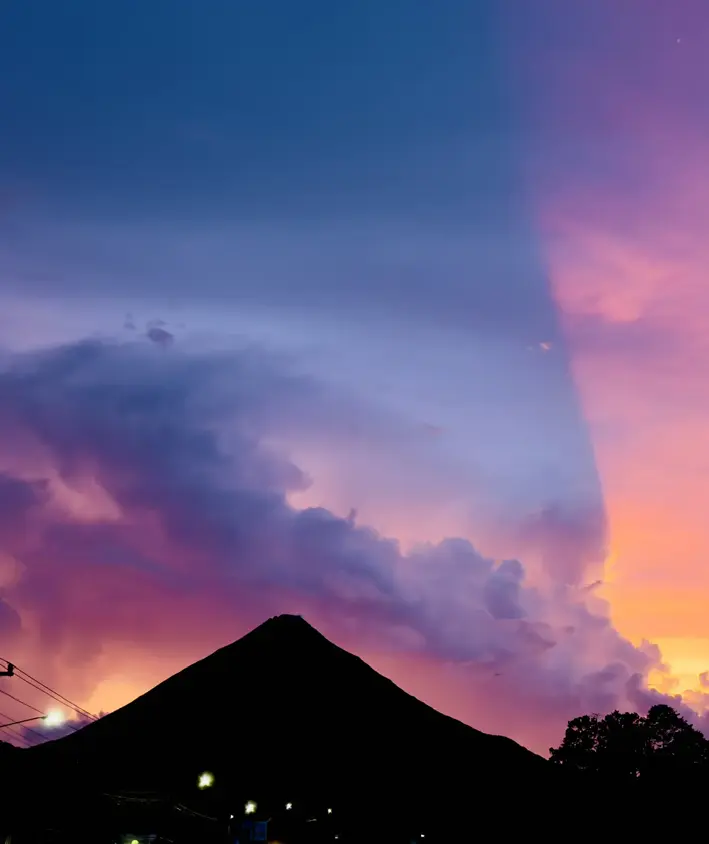
The main symbol of the region is Arenal Volcano. Even when the summit is partly covered by clouds, the volcano gives the region its identity. It shapes the landscape, the history, the hot springs, the trails, and the way the town presents itself to visitors.
That said, many travelers remember the full combination more than one single attraction: the volcano view, the waterfall, the hot springs, the rainforest, and the feeling of being surrounded by green mountains.
No. Visitors should not expect to see lava today. Arenal was famous for volcanic activity for many years, but the visible eruption period ended more than a decade ago. Today, the experience is about the shape of the volcano, the rainforest, old lava fields, viewpoints, hot springs, and the powerful history of the region.
This actually makes the destination easier to enjoy for most travelers: the area still feels dramatic, but the tourism experience is now focused on nature, comfort, hiking, and wellness.
Arenal's modern identity changed dramatically in 1968, when the volcano entered a long active period after many years of being quiet. That event transformed the landscape and eventually helped shape the region into one of Costa Rica's most recognized nature destinations.
Today, visitors can still see traces of that volcanic history in lava fields, viewpoints, trails, and the thermal waters that made the region famous. Arenal is not just a pretty volcano: it is a landscape that changed, recovered, and became one of Costa Rica's most important tourism regions.
"La Fortuna" means "The Fortune" in Spanish. The name is often associated with the area's fertile land, natural abundance, and the feeling that this region has been especially blessed by nature. Before becoming the tourism center it is today, La Fortuna was connected to agriculture, countryside life, and the productive lands around the volcano.
That background still matters. Even with hotels, tours, and international visitors, La Fortuna keeps part of its rural Costa Rican character.
Yes, the town center of La Fortuna is easy to walk around. Visitors can walk to restaurants, cafés, souvenir shops, grocery stores, pharmacies, tour offices, the central park, and many local businesses. This makes the town comfortable for travelers who like to explore without using a car all the time.
However, most major attractions are outside the center. For hot springs, volcano trails, hanging bridges, the waterfall, Lake Arenal, rafting, and wildlife areas, visitors usually need a rental car, taxi, shuttle, or guided tour.
Yes. La Fortuna is one of Costa Rica's best inland destinations for families. It offers a good balance of nature, adventure, comfort, and services. Families can choose easier activities like hot springs, chocolate tours, hanging bridges, wildlife walks, river floats, butterfly gardens, and scenic viewpoints. More active families can add rafting, ziplining, canyoning, horseback riding, or volcano hikes.
Another advantage is that many hotels in the region offer pools, gardens, volcano views, family rooms, and easy access to tours.
Yes. La Fortuna is excellent for couples. The region is popular for romantic trips because it combines privacy, nature, hot springs, boutique hotels, spa experiences, volcano views, restaurants, and soft adventure. Couples can spend the day exploring and then relax at night in thermal waters or a quiet hotel surrounded by rainforest.
It works especially well for honeymoons, anniversaries, and travelers who want something more memorable than a standard beach stay.
Yes. La Fortuna is one of Costa Rica's strongest adventure regions. Visitors can go ziplining, canyoning, rafting, hiking, horseback riding, mountain biking, kayaking, paddleboarding, river floating, wildlife watching, and exploring rainforest trails. The landscape gives tour operators a lot to work with: rivers, hills, forest, waterfalls, bridges, farms, and lake scenery.
The good thing about La Fortuna is that adventure can be adjusted by level. There are soft activities for beginners and more intense options for travelers who want adrenaline.
Yes. English is commonly spoken in hotels, restaurants, tour companies, transportation services, and many tourism-related businesses in La Fortuna. Visitors can usually manage well with English in the main tourist areas. For longer stays or more local situations, basic Spanish is helpful, especially for rentals, repairs, local errands, medical appointments, and everyday services.
Useful phrases: Hola — Hello, Buenos días — Good morning, Buenas tardes — Good afternoon, Gracias — Thank you, Por favor — Please, and Pura vida — Costa Rica's most famous expression; it can mean hello, thanks, all good, great, or no problem depending on the situation.
La Fortuna can be visited year-round. The drier months, especially from December to April, often bring better chances of clearer volcano views and easier trail conditions. These months are also busier and can be more expensive. The green season, from May to November, brings richer rainforest color, stronger waterfalls, fewer crowds, and a more tropical atmosphere. Mornings can still be beautiful, and rain often arrives later in the day.
For many travelers, the best months are the transition periods, such as April, May, November, and early December, when the region can feel fresh, green, and less crowded.
Rain patterns can vary, but the wettest part of the year is usually around September and October. That does not mean the destination shuts down. La Fortuna is a rainforest region, and rain is part of the experience. Many days still have usable mornings, dramatic clouds, lush vegetation, fuller waterfalls, and excellent hot spring weather.
For the best experience, plan outdoor tours earlier in the day and keep flexible time for relaxing, eating well, or enjoying hot springs in the afternoon.
There is no truly "bad" time to visit La Fortuna. The better question is what kind of trip you want. If you want the best chance of clear volcano views, drier trails, and sunny mornings, the dry season is usually better. If you want greener landscapes, stronger waterfalls, fewer crowds, and a more rainforest-like feeling, the green season can be beautiful.
The main planning tip is simple: in La Fortuna, do your most important outdoor activities early in the day.
Pack for warm weather, rainforest, walking, and water activities. Good items to bring include: light breathable clothing, comfortable walking shoes, sandals or water-friendly shoes, swimwear for hot springs and waterfalls, a light rain jacket or poncho, insect repellent, sunscreen, a reusable water bottle, a small daypack, quick-dry clothes, and a change of dry clothing for tours.
La Fortuna is casual. You do not need formal clothes unless you are staying at a luxury property or planning a special dinner.
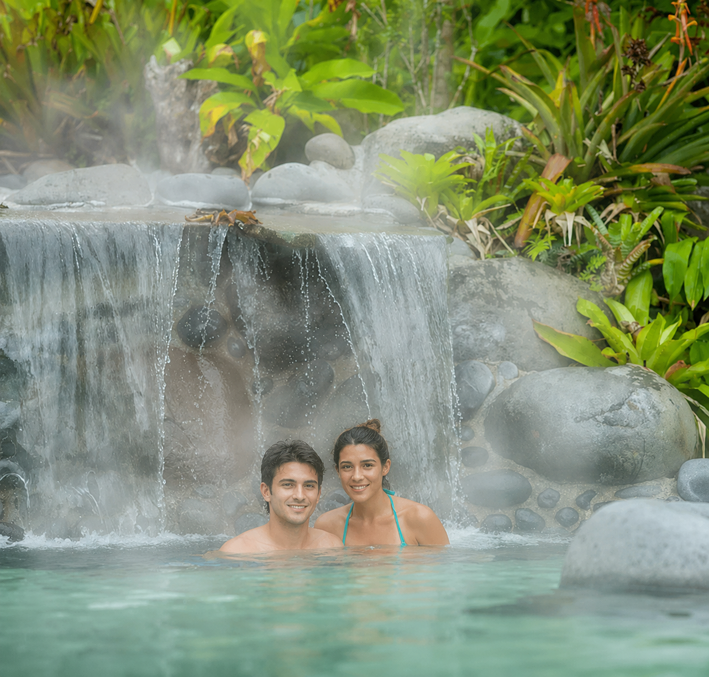
Yes. Hot springs are one of the signature experiences of the Arenal region. The thermal waters are connected to the volcanic character of the area, and visitors can choose from luxury hot spring resorts, family-friendly hot spring properties, smaller local-style places, and hotel-based thermal pools.
For many travelers, the perfect La Fortuna day ends in hot springs after hiking, rafting, waterfall visits, or rainforest tours.
Yes. Lake Arenal is worth visiting if you enjoy scenery, open landscapes, water activities, photography, countryside drives, and volcano views from a different angle. The lake gives the region a more spacious feeling. It is also a good contrast to the town and rainforest areas around La Fortuna. Visitors may enjoy kayaking, fishing, biking, birdwatching, lakeside restaurants, or driving toward Nuevo Arenal and Tilarán for broader views of the region.
Lake Arenal is especially good for travelers who want to slow down and see a less crowded side of the destination.
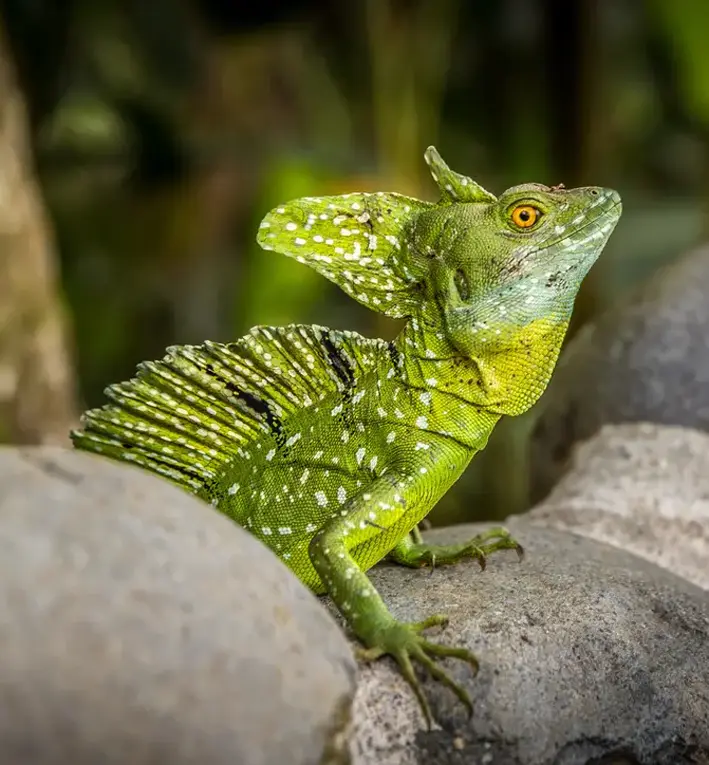
The Arenal region is excellent for wildlife watching. Visitors may see sloths, toucans, monkeys, coatis, frogs, butterflies, iguanas, bats, tropical birds, and many insects and reptiles. Night walks are especially popular because the rainforest becomes more active after dark.
Wildlife sightings are never guaranteed, but La Fortuna is one of the best places in Costa Rica to combine comfortable lodging with easy access to guided nature experiences.
Jaguars exist in Costa Rica, but they are extremely difficult to see in the wild and are not something normal visitors should expect to encounter in La Fortuna. For travelers, the realistic wildlife highlights are usually sloths, toucans, frogs, monkeys, coatis, butterflies, and night-walk species.
If someone is interested in big cats, the best approach is to learn about conservation and protected habitats rather than expecting a sighting.
Costa Rica is home to crocodiles and caimans, but not the American alligators people usually associate with places like Florida. Lake Arenal is better known for scenery, kayaking, fishing, wind, birdwatching, and volcano views. Visitors should always follow local guidance for swimming, boating, and water activities, just as they would in any natural lake or river area.
For most travelers, wildlife in the Arenal region is more about birds, sloths, frogs, monkeys, butterflies, and rainforest species than crocodile encounters.
Costa Rica is close to the equator, so sunrise and sunset times do not change dramatically throughout the year. In La Fortuna, evenings often begin around 5:30 to 6:00 p.m. depending on the season. This is useful for planning tours, driving, dinner, and hot springs.
A good travel rhythm in La Fortuna is to start early, do outdoor activities in the morning, rest or enjoy hot springs later in the day, and plan dinner after sunset.
It depends on how you travel. La Fortuna can work for budget travelers, mid-range travelers, families, couples, and luxury travelers. The biggest expenses are usually lodging, tours, transportation, hot springs, restaurants, and private transfers. A simple trip can focus on modest lodging, local restaurants, public areas, and selected tours. A more comfortable trip may include guided activities, hot springs, private transportation, boutique hotels, and nicer restaurants.
La Fortuna gives visitors flexibility, but tours can add up quickly because there are so many tempting activities.
Yes, $1,000 can be enough for a comfortable week in La Fortuna for many travelers, depending on lodging, transportation, and the number of tours. It is easier if you share accommodation, choose a mid-range hotel or apartment, eat a mix of local and tourist-style meals, and select a few key activities instead of booking tours every day.
If you want luxury lodging, private transfers, premium hot springs, several adventure tours, and nicer restaurants every night, you should plan a higher budget.
For a tourist, $20 is useful but not a lot. It may cover a casual local meal, a short taxi ride, snacks, drinks, small souvenirs, or part of an entrance fee. It usually will not cover major tours, premium hot springs, private transportation, or a full adventure activity.
La Fortuna has options at different price levels, but it is one of Costa Rica's most popular destinations, so some activities and hotels can be more expensive than visitors expect.
Costa Rica's official currency is the Costa Rican colón. In La Fortuna, U.S. dollars are also accepted in many hotels, tour companies, hot springs, transportation services, and tourist-facing businesses. However, colones are useful for local restaurants, small shops, tips, buses, markets, and everyday purchases.
The best option is to carry a card, some colones, and a small amount of U.S. dollars as backup.
Yes. La Fortuna is one of Costa Rica's most international destinations. The area receives visitors from the United States, Canada, Europe, Latin America, and many other regions. Tourism is a major part of the local economy, and many businesses are used to working with international travelers.
At the same time, La Fortuna is still a Costa Rican town with local families, workers, farms, schools, churches, and community life. Visitors who respect the local rhythm and support local businesses usually connect better with the destination.
La Fortuna can be a good place to live for people who want nature, warm weather, a small-town feel, and access to tourism-related services. It may appeal to remote workers, retirees, nature lovers, hospitality workers, tour operators, wellness-focused residents, and people who prefer mountains and rainforest over beach towns.
Living in La Fortuna is different from vacationing there. Future residents should think about transportation, rain, humidity, healthcare access, schools, housing quality, work opportunities, internet reliability, and how often they need to travel to San José or other larger service centers. For the right person, La Fortuna offers a slower, greener, more nature-connected lifestyle.
La Fortuna works very well for tourists and selectively well for residents. For tourists, it is one of Costa Rica's easiest destinations to enjoy because there are so many activities close together.
For residents, it is best for people who truly like rainforest life, warm humid weather, small-town routines, tourism culture, and a slower pace. It is not a city, and it is not a beach town. Its value is nature, not urban convenience.
La Fortuna is warm, green, active, and easy to enjoy if you plan your days well. Book important activities in advance during busy seasons. Start tours early when possible. Keep a rain jacket handy. Choose lodging based on your travel style: town center for walkability, outside town for views and nature, hot spring hotels for comfort, and lake-area stays for scenery and quiet.
The best way to enjoy La Fortuna is to mix activities: one volcano or forest experience, one water experience, one cultural or food-related tour, and at least one slow evening in hot springs.
Arenal Volcano & La Fortuna is Costa Rica's northern adventure region: a rainforest destination where volcano views, hot springs, waterfalls, wildlife, hanging bridges, local culture, and outdoor experiences come together around one of the country's most iconic landscapes.