Southern Pacific Jungle Coast
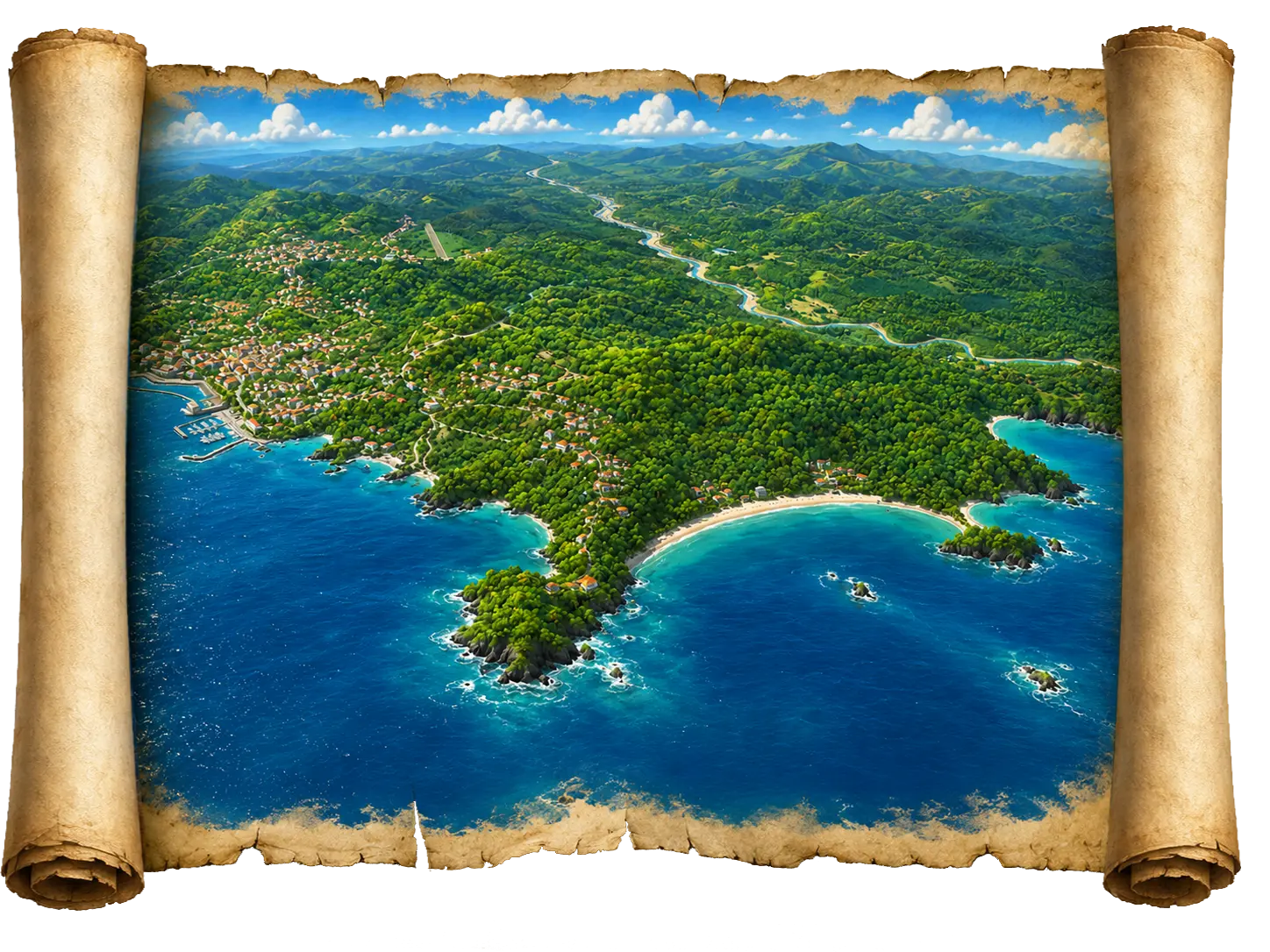
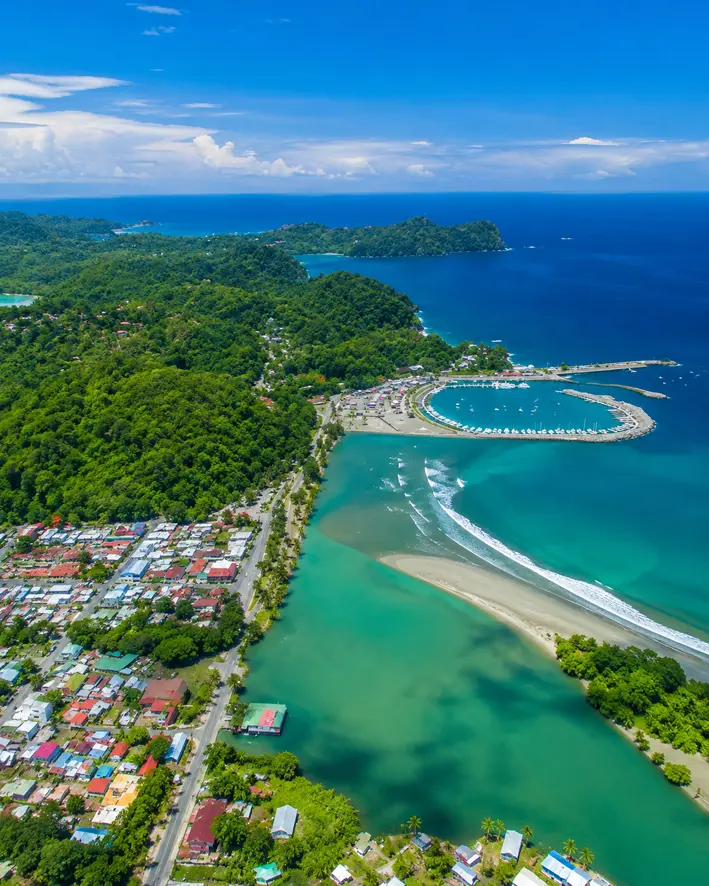
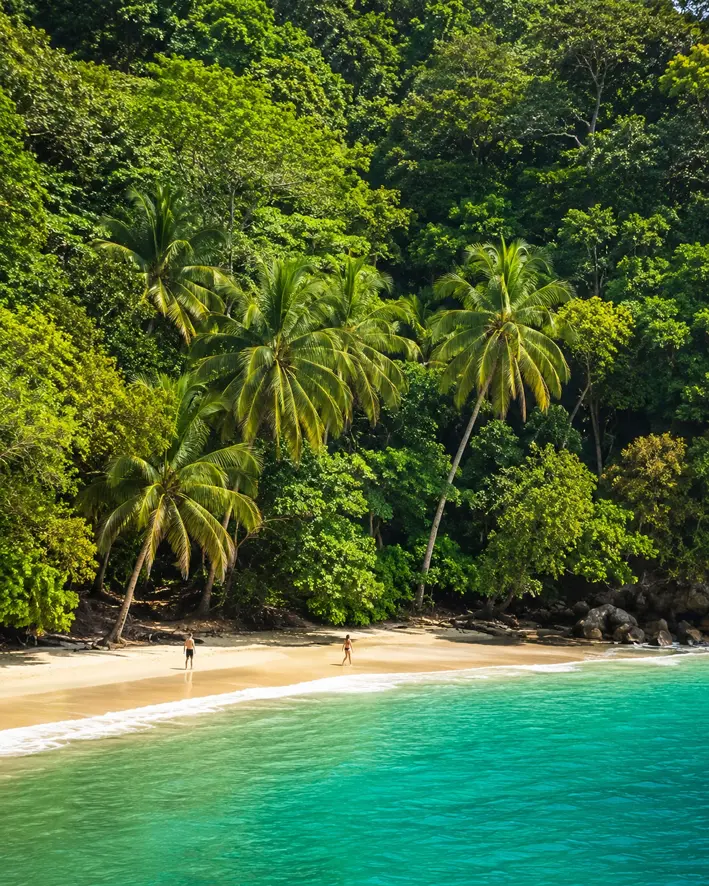
Manuel Antonio & Quepos is one of Costa Rica's most complete coastal destinations: a place where rainforest, wildlife, scenic beaches, ocean views, and local town life all come together in one compact region. Manuel Antonio is the best-known visitor area, famous for its national park, tropical forest, and beaches. Quepos is the nearby town that gives the destination its practical side, with transportation, local services, shopping, everyday town life, and a strong connection to the sea.
What makes the region special is the balance. Visitors can spend the morning walking a forest trail, watching monkeys or sloths, swim at a scenic beach later in the day, and still return easily to restaurants, cafés, transport, and town services. It is one of the easiest places in Costa Rica to experience biodiversity without feeling remote or disconnected.
This destination works especially well for first-time visitors, families, couples, wildlife lovers, photographers, and travelers who want beach and nature at the same time. It also appeals to future residents who are looking for a coastal lifestyle with more infrastructure than many smaller beach communities.

Click any pin to discover hotels, restaurants, tours, and services around the park and town. Use the layers button to filter by category.
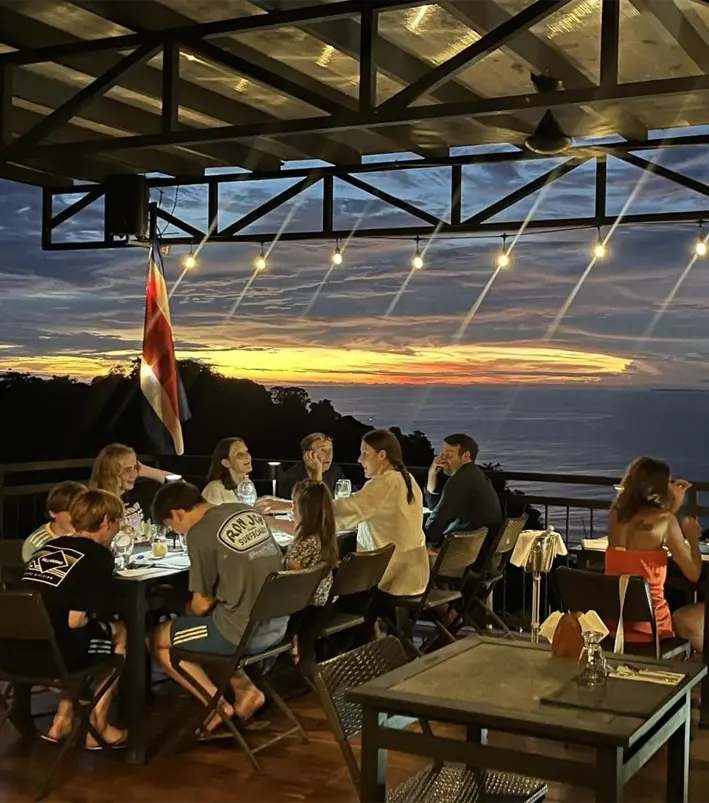
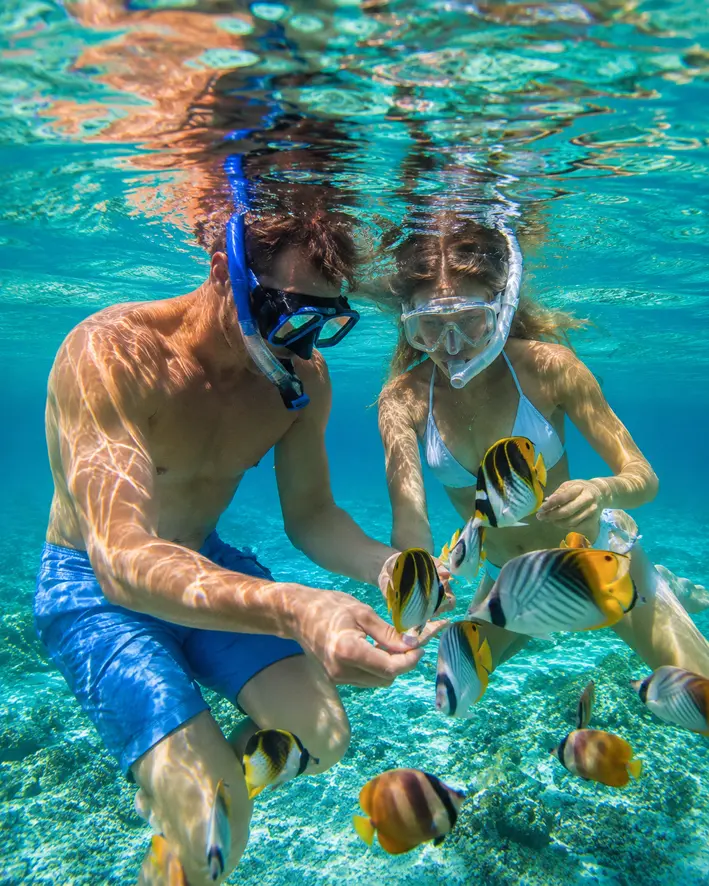
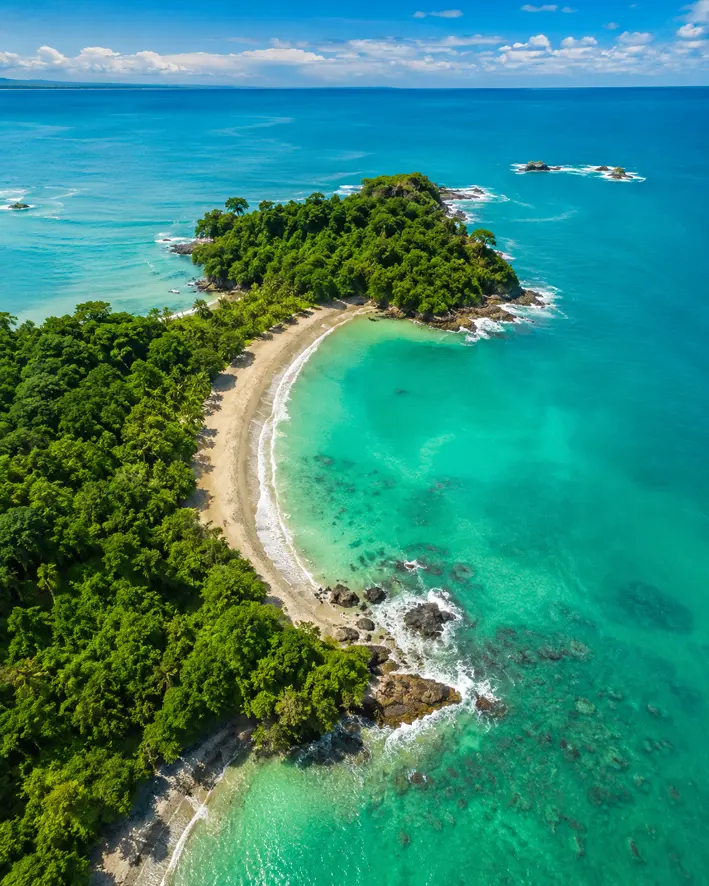
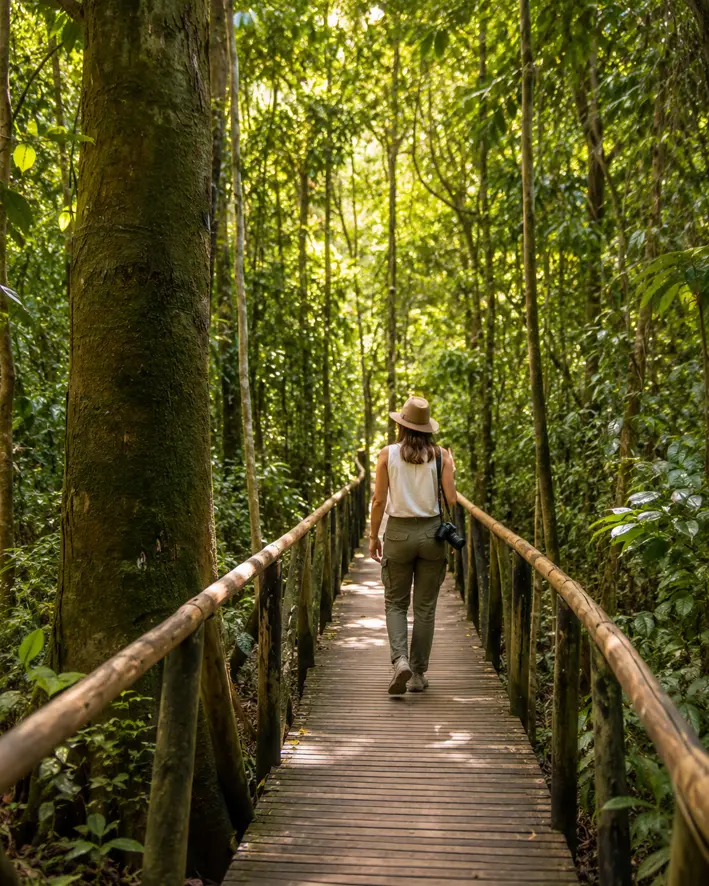
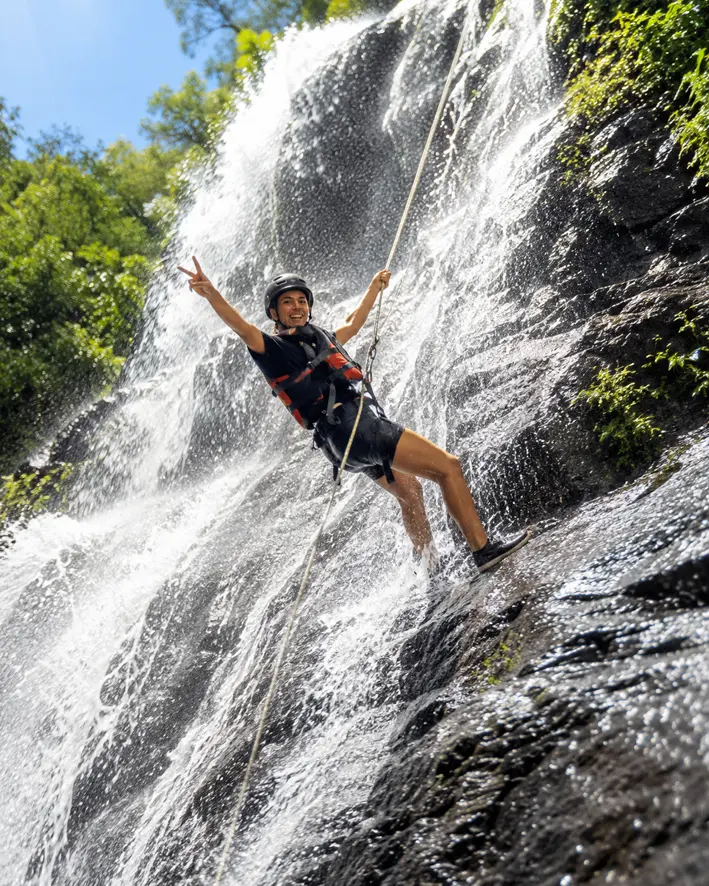
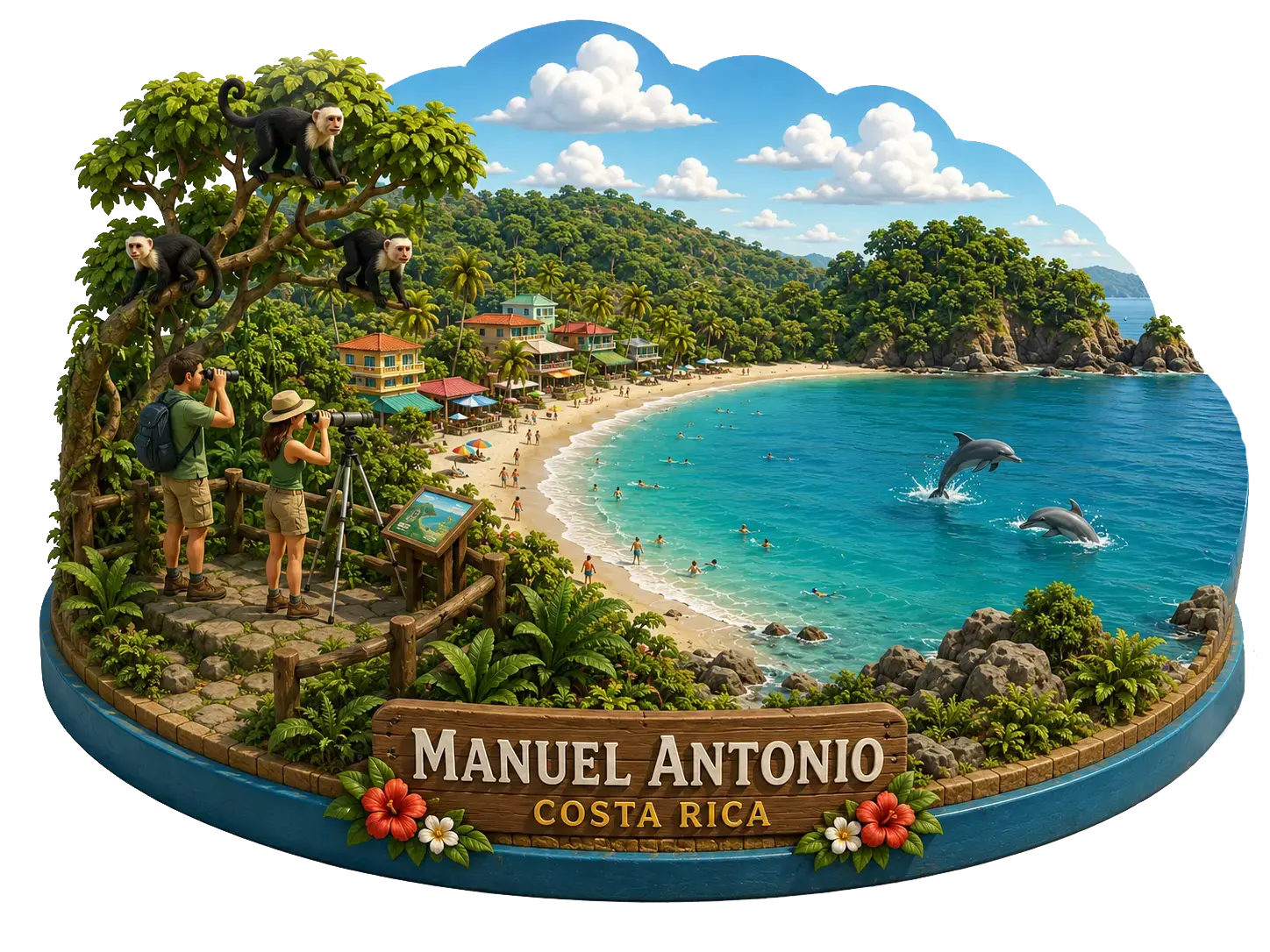
Monkeys on the trail, snorkeling in turquoise coves, waterfalls in the jungle and sunset dinners over the Pacific — this is what a day in Manuel Antonio & Quepos looks like.


Not exactly, but they are closely connected. Manuel Antonio is the scenic coastal area most visitors come to see, known for the national park, beaches, rainforest, and wildlife. Quepos is the nearby town that functions as the local service center, with transportation, shopping, local life, and everyday practical services.
Most travelers experience both as part of one destination.
Quepos is known for being the working town behind the Manuel Antonio experience. It is the area's local service hub and is closely associated with fishing culture, coastal life, transportation, shopping, and access to the wider Southern Pacific region.
While Manuel Antonio is more scenic and visitor-focused, Quepos adds the local rhythm and practical side of the destination.
Manuel Antonio is on Costa Rica's Pacific side, in the Central/Southern Pacific coastal region. This is important because it helps explain the character of the destination: warm ocean, rainforest hills, tropical beaches, mangroves, marine activities, and a strong connection to the Pacific coast rather than the Caribbean side of the country.
Yes. Manuel Antonio is absolutely worth visiting if you want a destination that combines rainforest, wildlife, beaches, and comfort in one easy-to-enjoy area. Many places in Costa Rica are known either for beaches or for nature. Manuel Antonio stands out because it gives visitors both at once.
You can explore trails, watch wildlife, swim, relax, and still stay close to restaurants, transport, and local services.
For most travelers, 2 to 4 days is a very good amount of time. That gives enough time to visit the national park, enjoy the beaches, explore Quepos, add one or two additional activities, and leave room for a slower pace.
One night feels too short for most visitors. Two nights is the minimum that usually works well, while three or four nights gives the destination more space to breathe. This recommendation is based on the region's compact size and the variety of activities available nearby.
Yes. One of the region's biggest advantages is that the national park experience includes access to scenic beaches where visitors can relax and swim depending on daily ocean conditions. That beach-and-rainforest combination is part of what makes Manuel Antonio so popular.
As with any Pacific beach, visitors should still pay attention to posted guidance, tides, and ocean conditions on the day of the visit.
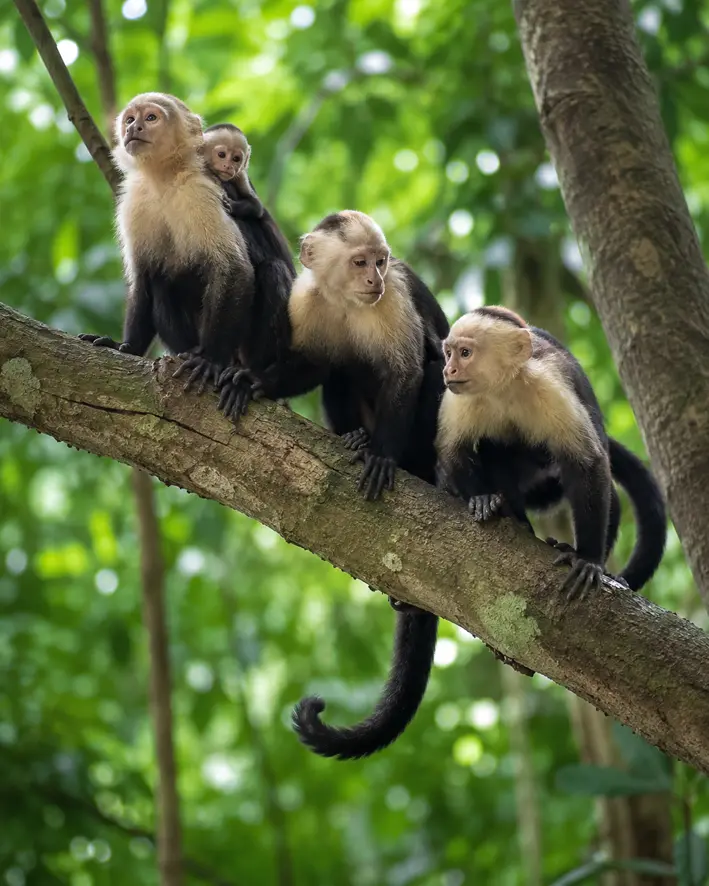
Manuel Antonio National Park is known for its wildlife. Visitors may see monkeys, sloths, iguanas, coatis, raccoons, birds, crabs, and many other tropical species.
The park is especially well known because wildlife can often be seen relatively close to the trails and visitor areas, which makes it one of Costa Rica's most accessible places for nature watching.
Yes. Sloths and monkeys are among the most sought-after animals in the area, and Manuel Antonio is one of the best-known places in Costa Rica for seeing them.
Sightings are never guaranteed, because these are wild animals, but the park and surrounding forested areas offer very good opportunities for wildlife observation, especially in the morning.
Costa Rica is home to jaguars, but visitors should not expect to see them in Manuel Antonio. For most travelers, the realistic wildlife highlights are monkeys, sloths, iguanas, coatis, birds, crabs, and other visible tropical species.
Jaguars are part of Costa Rica's broader natural heritage, but they are not part of the normal visitor experience in Manuel Antonio. This makes the destination appealing because it offers abundant wildlife without requiring a remote expedition.
For normal visitors, drone use should be treated as not allowed unless there is special authorization. Because Manuel Antonio is a protected national park area, rules are designed to protect wildlife, visitor experience, and conservation standards.
Anyone thinking about filming with drones should check the current official national park regulations before visiting rather than assuming they can fly freely.
Getting from Quepos to Manuel Antonio is easy. Visitors usually move between the two by public bus, taxi, shuttle, rental car, or private transport.
Because they are so close, it is common to stay in one area and visit the other without difficulty. This is one of the region's practical strengths.
Most international travelers arrive in San José and continue to the region by road or by domestic flight. The most common options are rental car, private transfer, shared shuttle, public bus, or short domestic connection toward Quepos.
The best choice depends on budget, luggage, flexibility, and whether the trip includes other destinations in Costa Rica.
By road, the trip from San José to Manuel Antonio or Quepos generally takes several hours, depending on traffic, weather, stops, and exact starting point. Because of that, Manuel Antonio is best treated as a destination where you stay a few nights rather than a quick in-and-out stop.
Visitors who want a smoother arrival often choose to arrive earlier in the day or spend the night after reaching the coast.
Yes, many visitors can enjoy Manuel Antonio without a car. The area is well suited to combining public buses, taxis, private transfers, walking in selected areas, and organized transport for activities.
A car can be useful, especially for broader exploration, but it is not essential for a short stay focused on the park, beaches, Quepos, and nearby experiences.
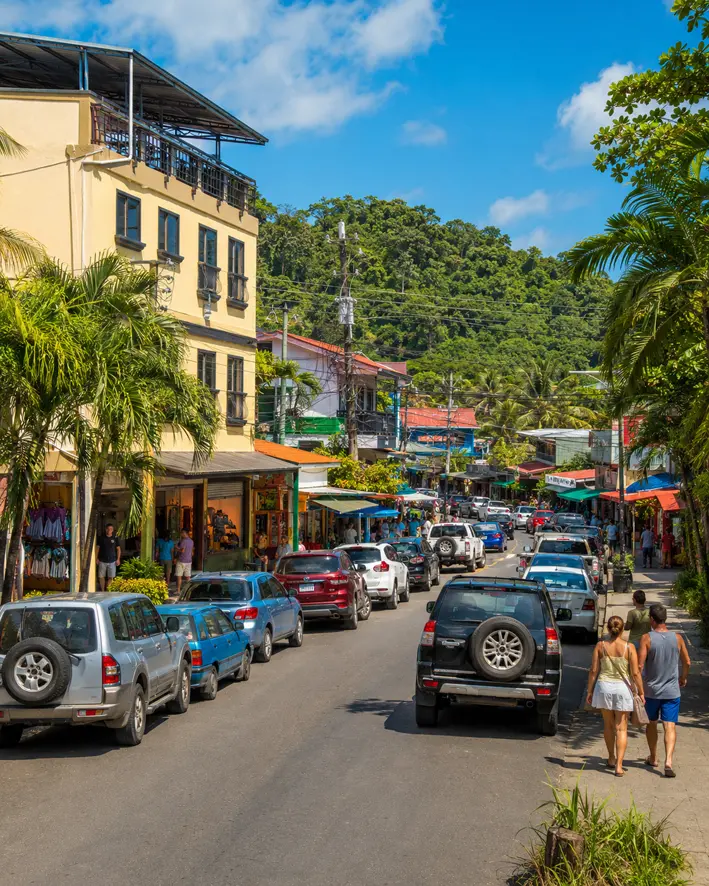
Yes, Quepos itself is relatively easy to walk around in its main town areas. Visitors can usually walk between shops, restaurants, local services, and transportation points in the central part of town.
Manuel Antonio is a different experience because of the hills and the spread of the road between the beach area and the town. For that reason, many visitors combine walking with bus or taxi movement.
Yes. Quepos is a very practical base for visitors who want easier access to transportation, shopping, local services, and a more town-like atmosphere.
Travelers who prefer a more scenic, beach-and-view experience may choose Manuel Antonio itself, while those who value practicality and local rhythm often appreciate Quepos. In reality, the region works best when visitors use both.
It depends on the kind of trip you want. Stay closer to Manuel Antonio if you want easier access to beaches, rainforest atmosphere, scenic surroundings, and the national park zone. Stay closer to Quepos if you want a more practical base with town services, easier local logistics, and a stronger sense of everyday Costa Rican life.
Both work well, and many visitors move between them during the same stay.
Yes. The national park has visitor services, and official tourism information notes facilities such as basic services for visitors inside the protected area.
Because operating details can change, the safest advice is to check the official park information before visiting, especially for schedules, rules, tickets, and services on the day of entry.
Visitors should not assume large, open parking right at the experience point without planning ahead. The best practical approach is to arrive early, use the designated visitor parking options near the park area, or consider arriving by bus, taxi, or shuttle.
Manuel Antonio is one of Costa Rica's most popular destinations, so planning the arrival makes the visit smoother and more comfortable.
Neither is better in general. They offer different types of Costa Rica. Manuel Antonio is better for travelers who want rainforest, wildlife, compact beaches, forest trails, and a more nature-centered Pacific experience. Guanacaste is often better for travelers who want wider beach landscapes, drier weather, surf lifestyle, open coastline, and the North Pacific atmosphere.
If someone wants the classic beach-plus-rainforest combination, Manuel Antonio usually feels more distinctive.
Quepos has deeper roots than many visitors realize. The name is linked to the Quepoa Indigenous people, and the region later evolved through coastal settlement, agriculture, fishing, and local trade before tourism became one of its main economic forces.
That history helps explain why Quepos still feels like a working town, not only a visitor destination.
The modern name Quepos is connected to the historical Quepoa people of the region. Rather than being a recently invented tourism name, it reflects a longer local and historical identity.
That makes Quepos an important part of the cultural background of the destination, not just a service town next to Manuel Antonio.
Yes. Manuel Antonio is one of Costa Rica's strongest destinations for families. It combines wildlife, beaches, accessible nature, easy services, and a good range of activity levels.
Families can enjoy the park, beach time, wildlife watching, local food, and additional experiences without needing to travel far between them.
Yes. It is one of the best first-stop destinations in the country. It gives visitors a very recognizable Costa Rica experience: monkeys, sloths, rainforest, beaches, tropical scenery, and easy logistics, all in one place.
It is ideal for people who want to experience a lot without overcomplicating their trip.
The key is to treat the region as both a nature destination and a real coastal community. Buy park tickets in advance, start early when possible, travel light, respect wildlife, and choose your lodging area based on whether you want scenery or practicality.
Manuel Antonio is about rainforest, beaches, and views. Quepos is about services, movement, and local life. The experience becomes richer when both sides are understood together.
Manuel Antonio & Quepos is Costa Rica's Southern Pacific jungle coast: a compact coastal region where rainforest, wildlife, beaches, local town life, and easy access come together in one of the country's most memorable destinations.