ES EN
On this page Intro Dishes Coffee Where to eat A day
Home Tide Chart & Weather Gastronomy History Geography Money Guide
Costa Rica · A traveler's food guide

Costa Rican
gastronomy.

A traveler's guide to the flavors, traditions and everyday dishes that define Costa Rica. From gallo pinto at breakfast to casados in local sodas, tropical fruits, coastal ceviches and world-famous coffee — food is the easiest way to understand Pura Vida.

Traditional food Local sodas Coffee culture Tropical flavors Pura Vida
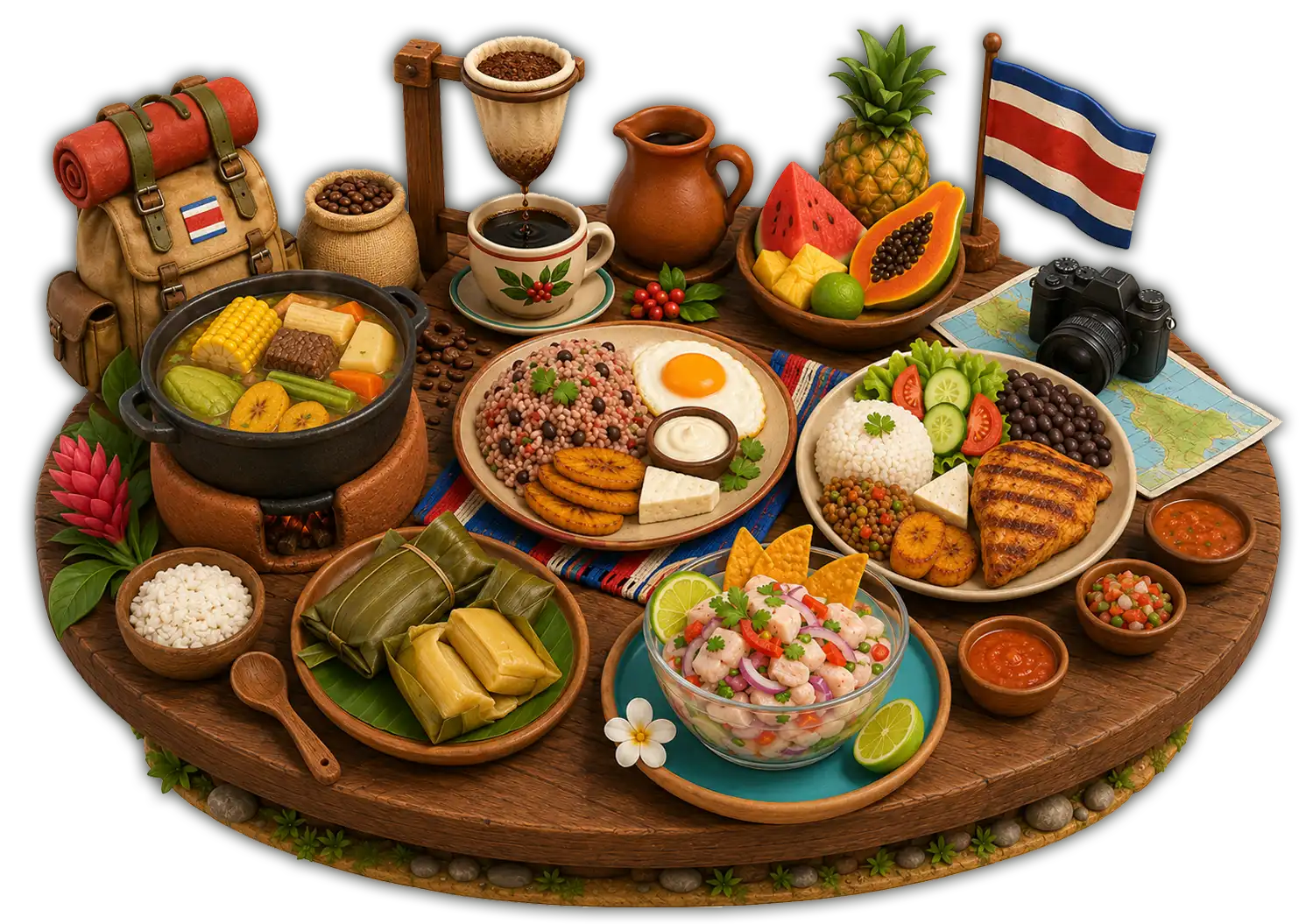
Costa Rican plate
Scroll the flavors
A simple cuisine, deeply rooted

A simple cuisine with deep roots.

Costa Rican cuisine is not overly spicy or complicated. It is built on rice, beans, corn, vegetables, tropical fruits, plantains, fresh seafood, meats, coffee and family recipes — food rooted in home cooking, small restaurants called sodas, rural traditions and the country's two long coastlines.

01 · Origin

Home kitchens

The country's food vocabulary was written by abuelas — slow, fragrant pots cooked for the whole family.

02 · Place

Sodas everywhere

Small, family-run restaurants that serve the everyday casado at an accessible price.

03 · Pantry

A short shopping list

Rice, beans, plantain, culantro, chile dulce, lime, achiote, coffee. Few ingredients, many dishes.

04 · Coasts

Two oceans, two tables

Ceviche and rice with shrimp on the Pacific, rondón and coconut rice on the Caribbean.

01
Gallo Pinto
Chapter 01 · Breakfast Whole country

Gallo Pinto & the everyday breakfast.

The day in Costa Rica starts with gallo pinto: black or red beans cooked the night before, fried with rice, onion, sweet pepper, culantro and a splash of Salsa Lizano. It is served with fried eggs, fried plantains, soft cheese, natilla and a cup of strong, black coffee.

Rice & beans Salsa Lizano Plátano maduro Natilla
02
The Casado
Chapter 02 · Lunch Sodas · everywhere

The Casado, Costa Rica on a plate.

Lunch is the casado — literally "the married one". A balanced plate of white rice and black beans, a salad of cabbage and tomato, fried plantain, and a protein of your choice: chicken, beef, fish or pork. It is the dish that defines daily eating in Costa Rica.

Rice Beans Plantain Cabbage salad Protein
03
Olla de Carne
Chapter 03 · Sunday lunch Central Valley

Olla de Carne, the Sunday family soup.

A slow-cooked beef broth with large chunks of yuca, ñampí, ayote, chayote, corn, plantain and potato. Served with white rice on the side. It is the ultimate Costa Rican comfort food — usually cooked on Sundays for the whole family.

Beef broth Yuca Ayote Chayote Maíz
04
Ceviche
Chapter 04 · Coastal lunch Pacific & Caribbean

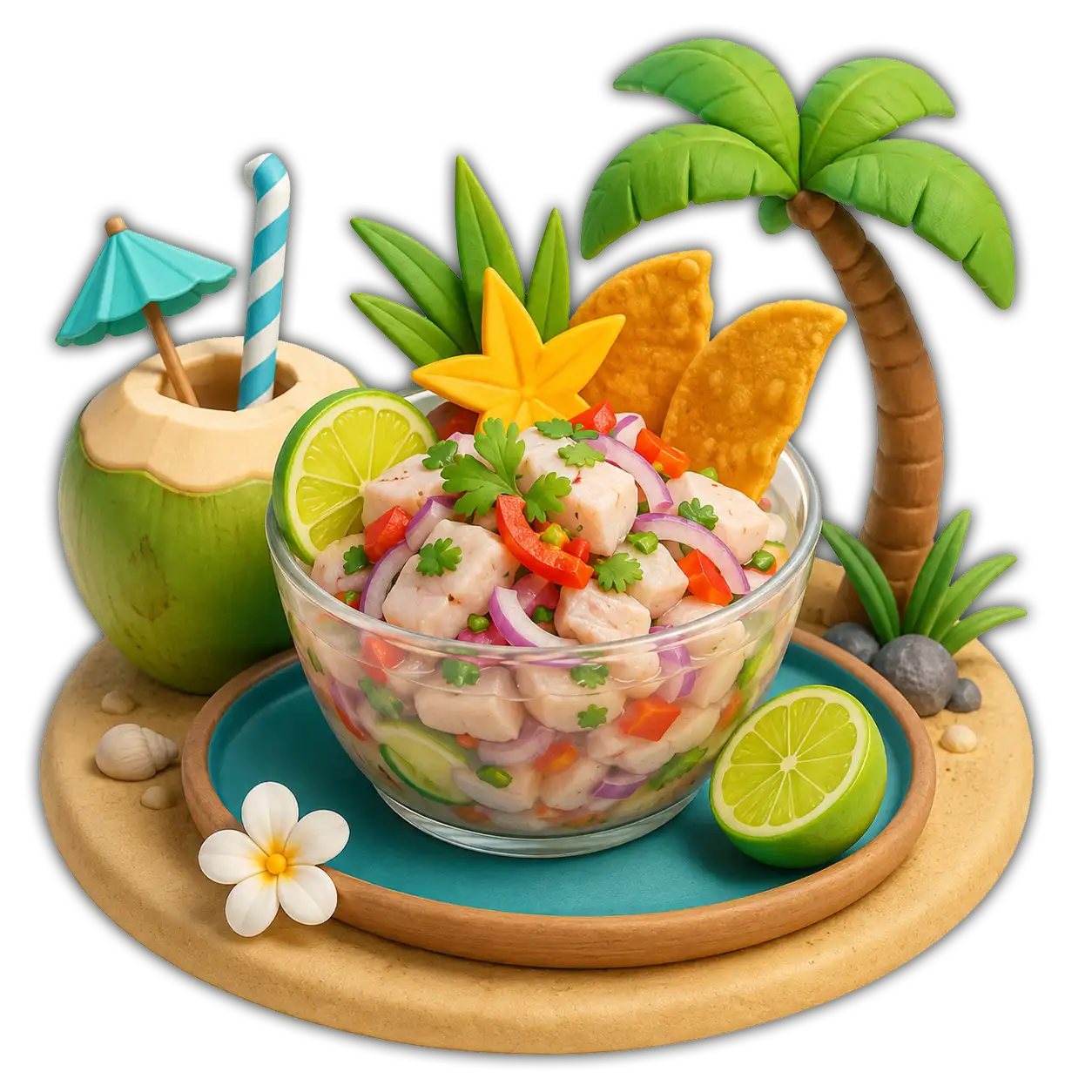
Ceviche, the taste of the coast.

Fresh white fish, sea bass or tilapia cured in lime juice with red onion, sweet pepper, culantro coyote and a pinch of salt. On the Caribbean side, rondón stew and rice with coconut tell the other half of Costa Rica's coastal story.

Fish Lime Coconut rice Rondón Sardine empanadas
05
Tamales
Chapter 05 · Festive Whole country · December

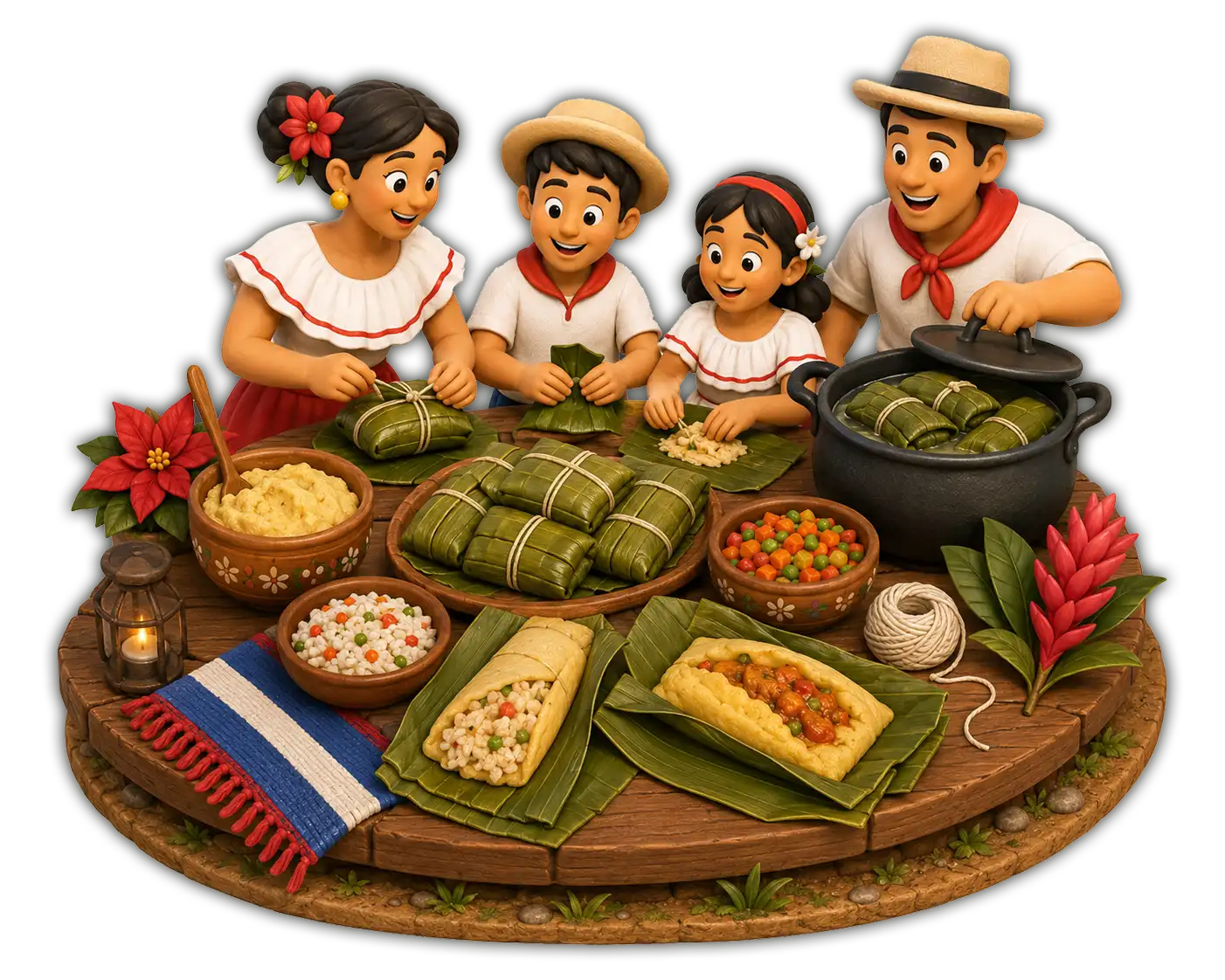
Tamales, wrapped in banana leaves.

Christmas in Costa Rica means tamal. Corn masa, pork, rice, carrot, sweet pepper and olives, wrapped in banana leaves and steamed in huge family pots called tamaleadas. They are exchanged between neighbors all through December.

Masa de maíz Pork Banana leaf Tamaleada
06
Coffee
Chapter 06 · All day Central Valley · highlands

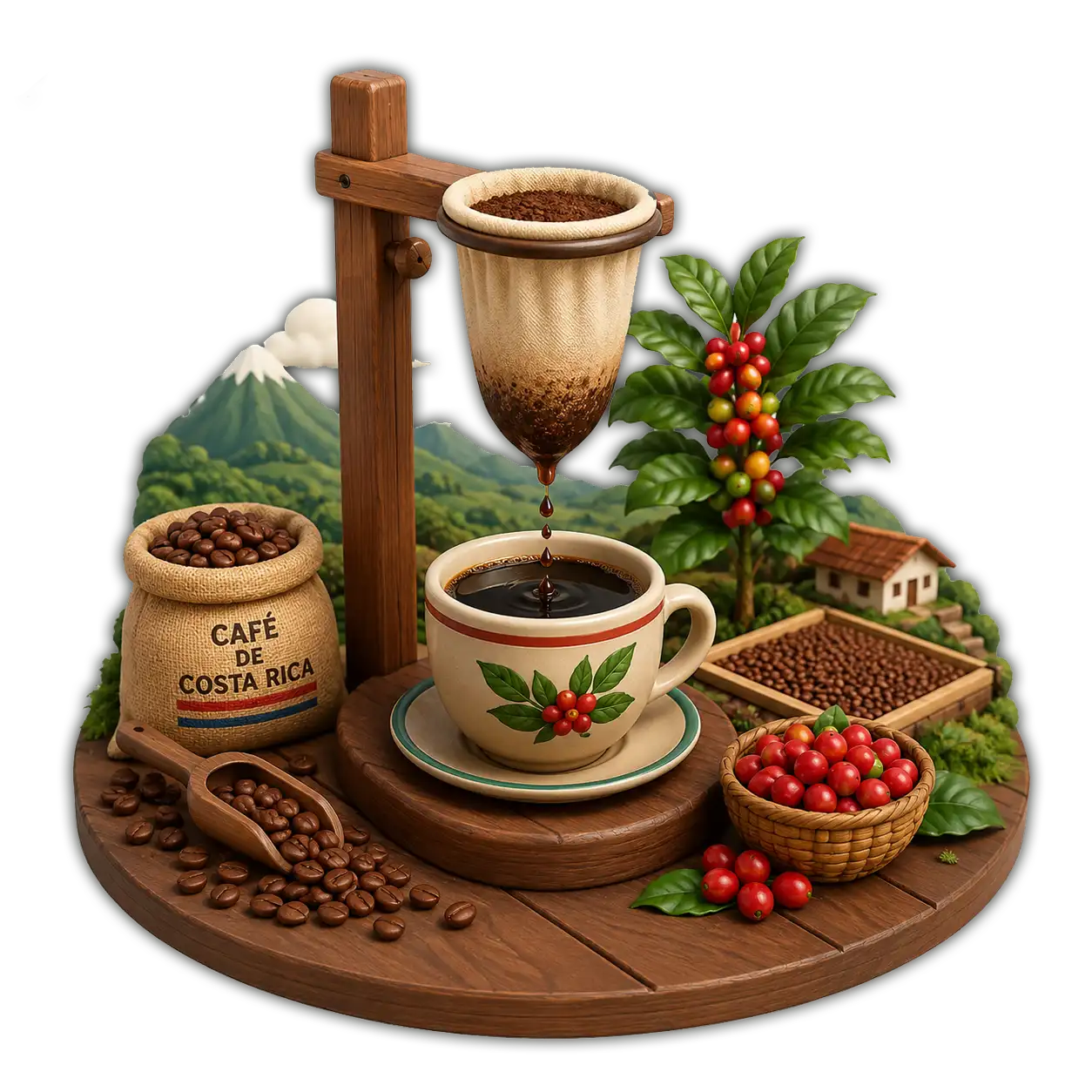
Coffee, the chorreador ritual.

Costa Rican coffee is poured through a chorreador: a cotton sock on a wooden stand, the most home-grown filter coffee maker in the Americas. From the slopes of Poás, Tarrazú and Naranjo, the country produces some of the most awarded specialty beans in the world.

Chorreador Tarrazú Naranjo Specialty roast
07
Tropical Fruits
Chapter 07 · Anytime Ferias del agricultor

Tropical Fruits & Farmer's Markets.

Every weekend the ferias del agricultor fill plazas with mango, papaya, piña, sandía, guanábana, mamón chino, pejibaye and dozens of fruits you may have never seen before. The traveler's shortcut to local life: order a fresco natural at any soda.

Piña Mango Pejibaye Mamón chino Frescos naturales
08
The flavors behind every plate
Chapter 08 · In every dish Home kitchens

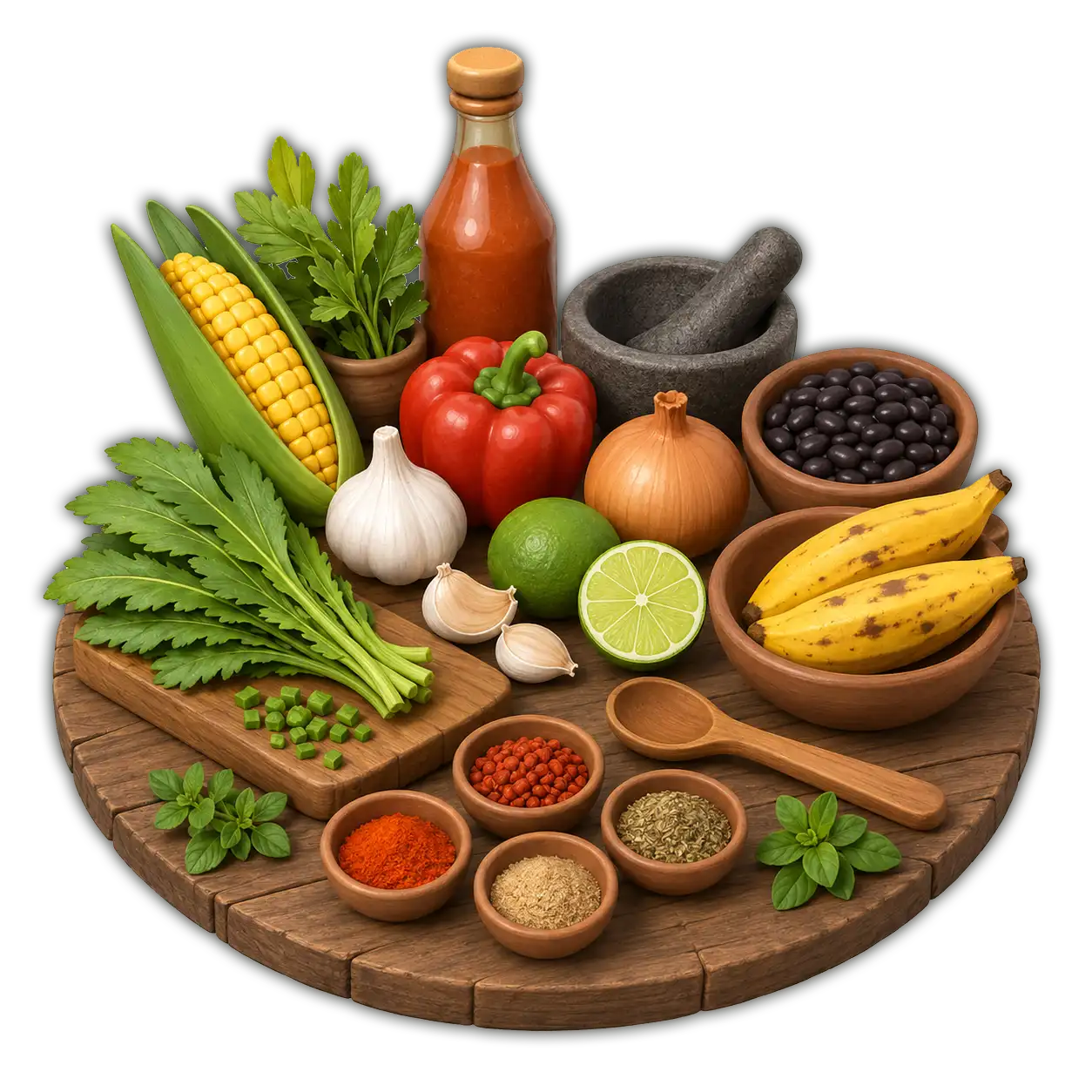
The flavors behind every plate.

Costa Rican cooking is built on a small, fragrant pantry: culantro coyote, chile dulce (a sweet pepper, not spicy), garlic, onion, lime, achiote, plátano, corn, beans and the omnipresent Salsa Lizano. The food is rarely spicy — it is fresh, herbal and homely.

Culantro coyote Chile dulce Achiote Salsa Lizano Lime
09
Modern Costa Rican cuisine
Chapter 09 · Dinner San José · beach towns

Modern Costa Rican cuisine.

A new generation of chefs is reimagining the tradition — pejibaye foams, slow-braised yuca, cacao-glazed pork, single-origin coffee tasting menus. Barrio Escalante in San José, Santa Teresa and Nosara on the Pacific, and Limón's Afro-Caribbean kitchens lead the movement.

Farm to table Cacao Pejibaye Single-origin coffee
Practical guide

Where travelers experience the food.

Six places to taste Costa Rica, from the everyday soda on a country road to a tasting menu in the capital. Each comes with what to order and what to expect.

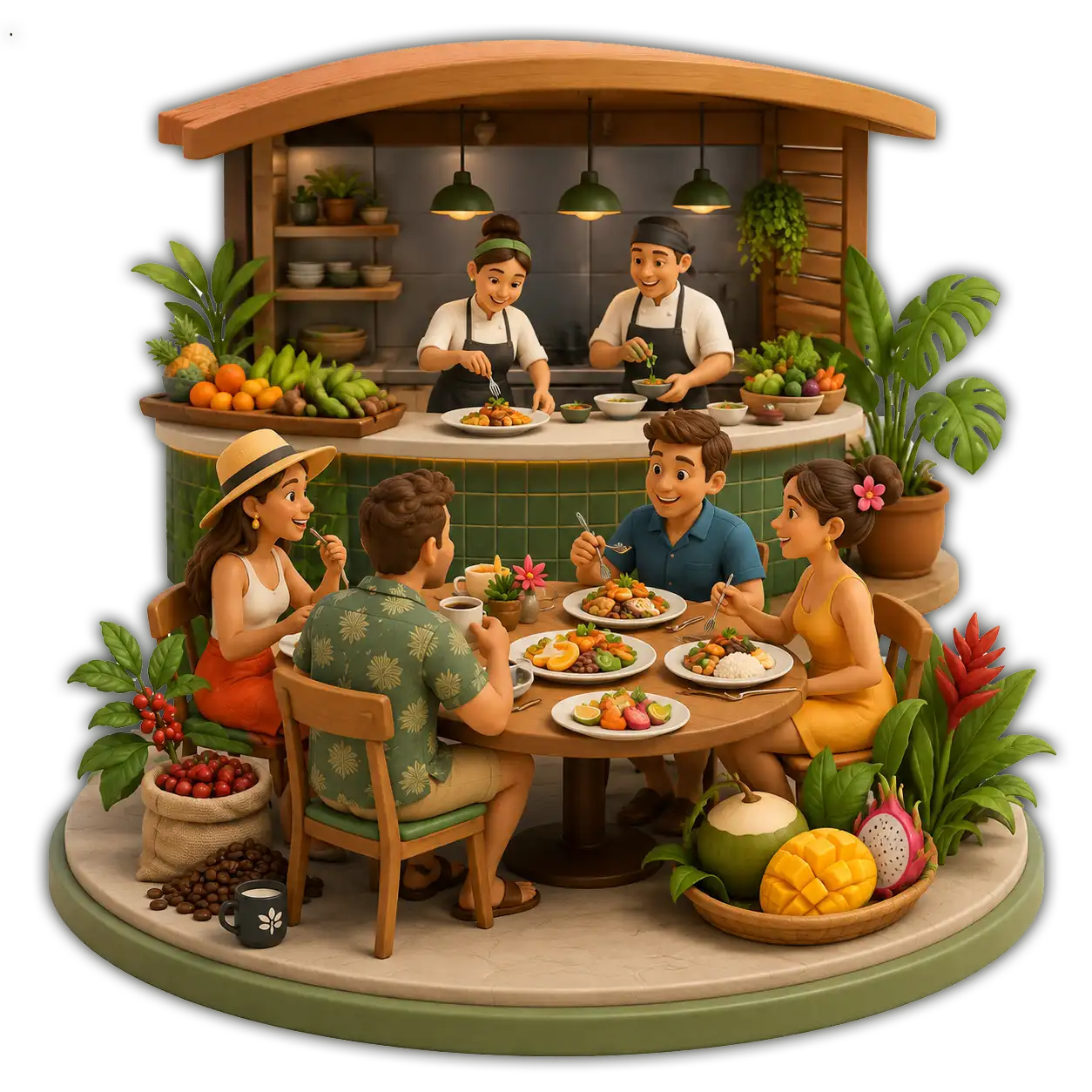
Costa Rican restaurant table

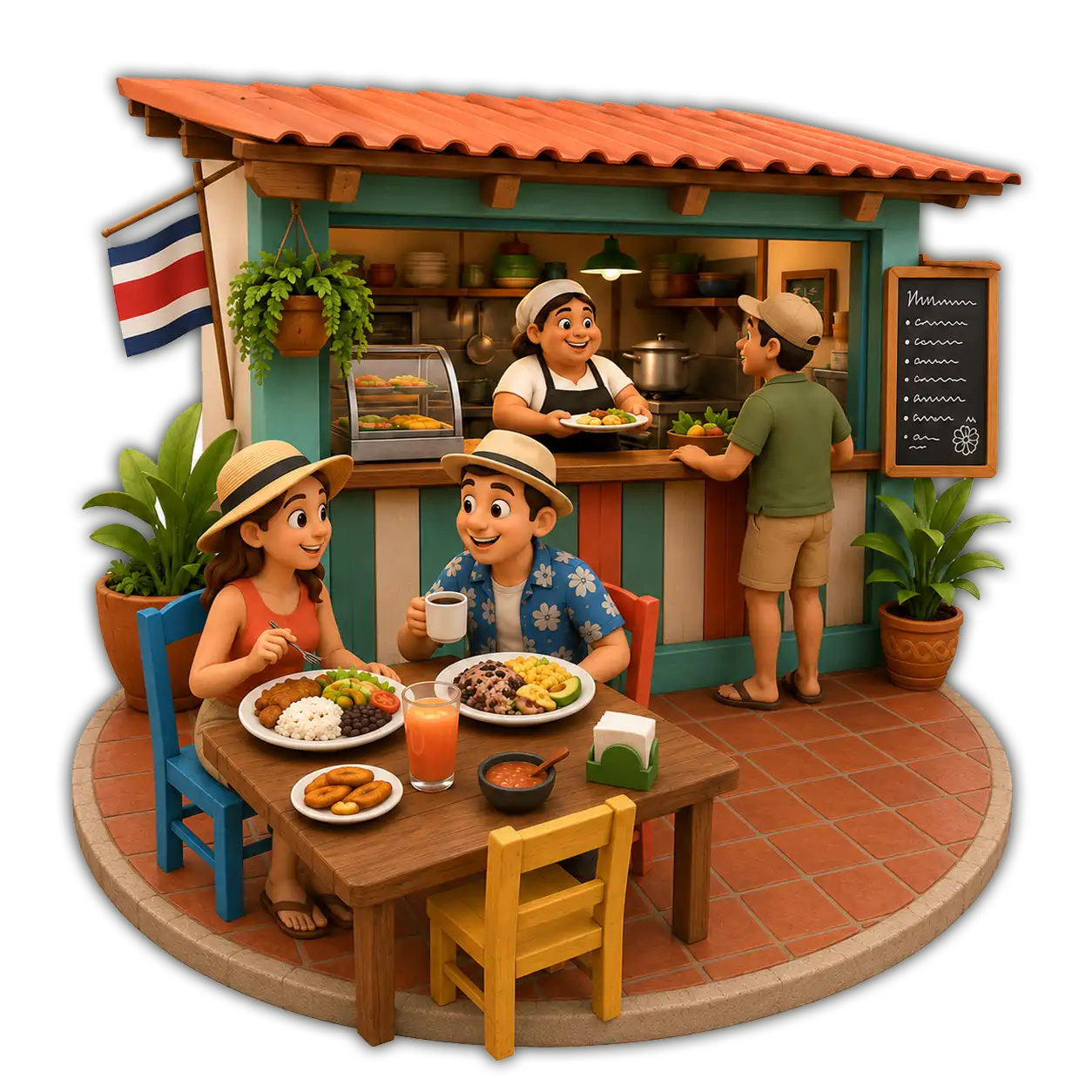
Local sodas

Small family-run kitchens with handwritten menus. The everyday casado, gallo pinto and fresco natural at the most accessible price.

₡ BudgetAuthentic

Farmer's markets

Ferias del agricultor every Saturday morning. Tropical fruit, fresh cheese, casados and live marimba in plazas across the country.

Sat morningsLocally grown

Beach restaurants

Ceviche, whole grilled fish, rice with shrimp and pipa fría in the sand. Best at Tamarindo, Jaco, Manuel Antonio and Herradura.

Pacific & CaribbeanCatch of the day

Coffee tours

Pick, dry, roast and taste at a working finca. Best at any farm in Tarrazú or Naranjo.

1/2 dayHighlands

Family kitchens

Restaurants tied to a single household recipe. Olla de carne, picadillos, tamales and slow Sunday lunches that go on for hours.

SundaysReservation

Contemporary kitchens

Tasting menus and farm-to-table cooking in San José's Barrio Escalante, Ojochal, Tamarindo and beach destinations.

Dinner₡₡₡ Premium
soda

What is a soda?

A soda is a small local restaurant where travelers can find traditional Costa Rican meals at accessible prices. Handwritten menus, plastic chairs, the smell of fried plantain — and the best place in the country to try authentic, everyday food.

A day in flavors

From breakfast to banana-leaf tamal.

Six moments that draw the line of a Costa Rican food day — a quick map of when and where to taste what.

01 · 6–9 am

Breakfast

Gallo pinto, eggs, cheese, fried plantain.

02 · 11–2 pm

Lunch

Casado at the nearest soda.

03 · 2–4 pm

Coffee

Chorreador and a dulce típico.

04 · Saturday

Market

Feria del agricultor in the plaza.

05 · Weekend

Coastal

Ceviche, pipa fría, the sound of the sea.

06 · December

Festive

Tamales, eggnog, neighbors.

The next plate is yours

A taste of Pura Vida.

Costa Rican gastronomy is not only about recipes. It is about fresh ingredients, family meals, local traditions and the relaxed hospitality that visitors recognize as Pura Vida. Open the map and find the next soda, finca or beach restaurant on your route.